What Is an Overbite?
An overbite happens when your upper teeth overlap your lower teeth too much. While a small teeth alignment discrepancy is normal, a deep malocclusion can lead to problems like:
- Jaw pain or discomfort
- Trouble chewing food properly
- Teeth that wear down or break
- Gums that are at risk of damage
If your front teeth cover most of your bottom teeth when you bite down, you could have a deep overbite. Over time, this can lead to bigger dental bite issues if left untreated. A skilled orthodontist can spot these early signs and offer effective treatment strategies to fix the problem. Dr. Annikka Freelove, a board-certified pediatric dentist at Lake Sammamish Kids Dentistry in Sammamish, WA, recommends regular check-ups during early childhood to monitor emerging bite issues and prevent long-term complications.
How Invisalign Can Fix an Overbite
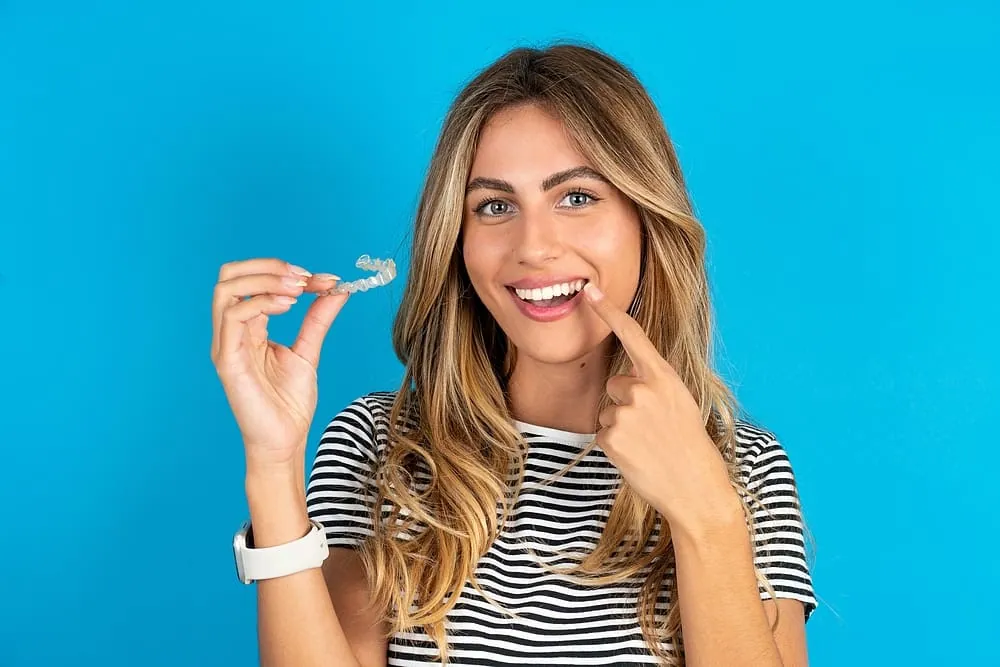
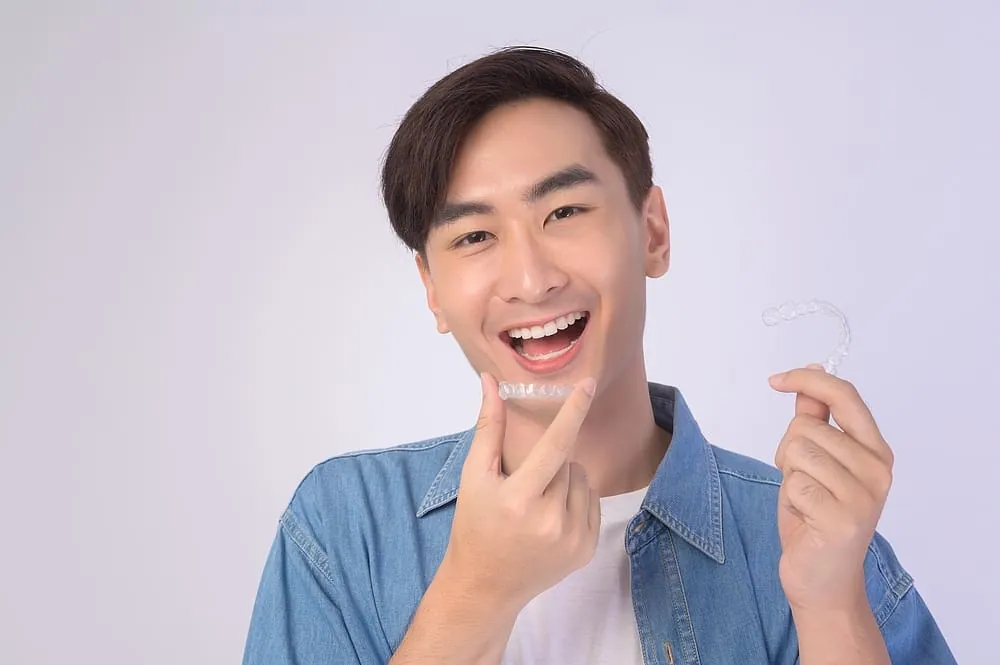
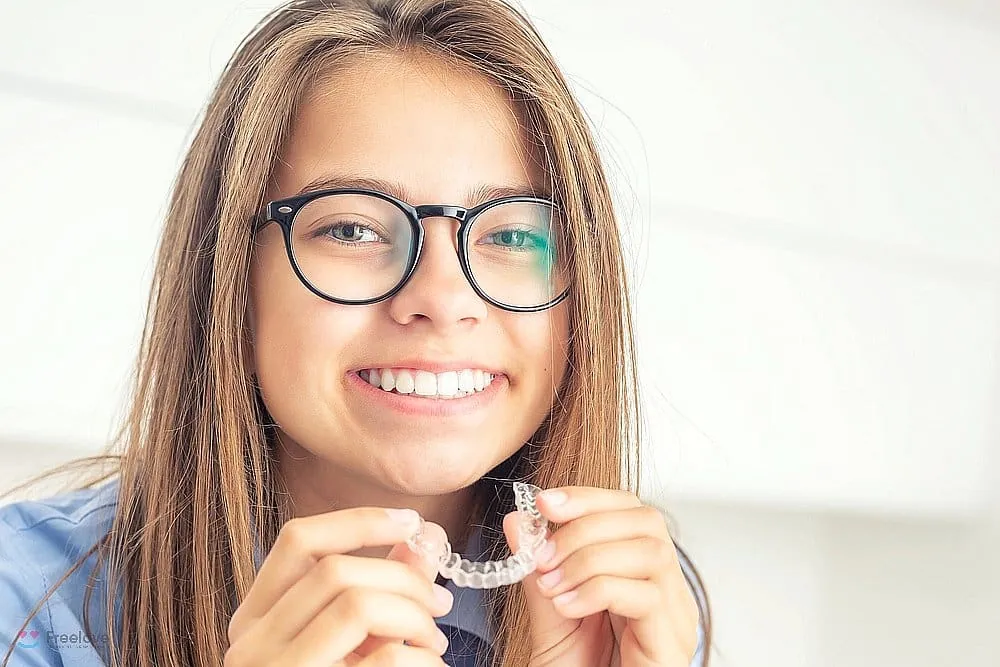
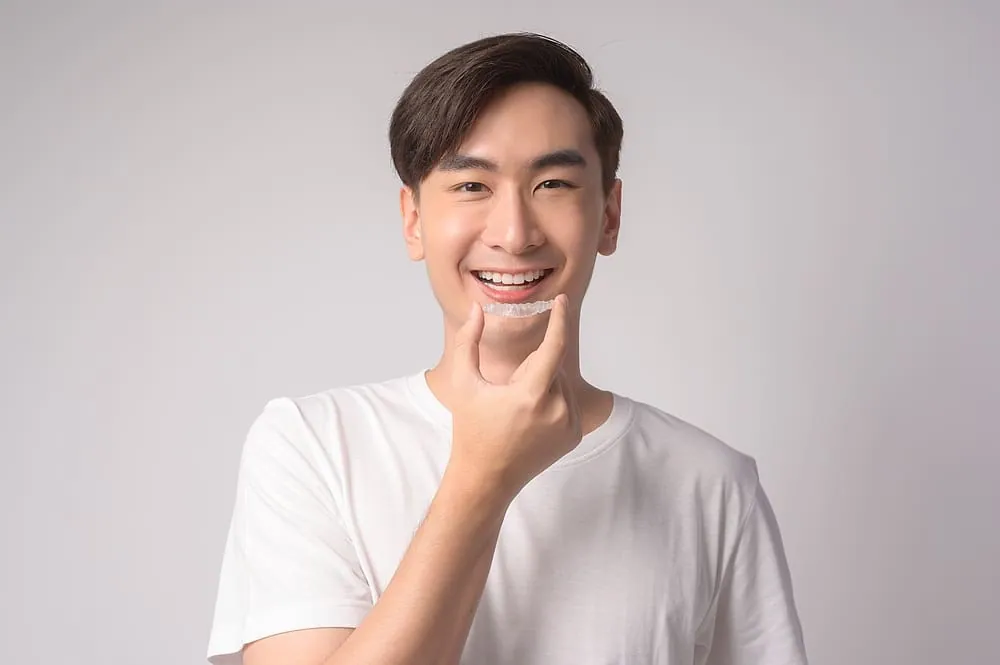
Invisalign uses clear aligners to gently guide your teeth into better alignment. These aligners are custom-made for each patient using advanced scans and computer technology. The system works well for fixing overbite cases, especially mild and moderate ones.
Here’s how Invisalign helps fix overbite correction:
- Step-by-step tooth movements: Aligners gradually shift your teeth into better positions over time.
- Attachments: Small, tooth-colored pieces help aligners grip your teeth for precise movements.
- Bite ramps: Built-in features of aligners reduce deep bite patterns gradually.
- Elastic bands: Rubber bands may further improve jaw alignment and overall functionality.
Because the aligners are removable, it’s easy to maintain an excellent oral care routine, eat what you like, and prevent potential crowding issues throughout your treatment journey.
How Long Does Invisalign Take?
The time it takes to fix an overbite with Invisalign depends on how severe your case is. Most people see results in 6 to 18 months. Some individuals may need longer treatment depending on their specific needs.
Following your orthodontist’s instructions is key. Wear your aligners for 20–22 hours a day and switch to new trays as directed, usually about every 7 days.
Why Invisalign is Great for Busy Lives
Invisalign is a great option for residents of Kent and Sammamish, WA, who have busy, active lifestyles. Here’s why:
- Discreet look: Since aligners are clear, most people won’t notice you’re wearing them.
- Removable trays: You can take them out for meals, photos, or special events.
- Easy to clean: Simply rinse your aligners with cool water and mild soap daily.
- Fewer appointments: Invisalign usually requires fewer in-office visits than braces.
With these advantages, Invisalign simplifies the treatment journey while offering superior aesthetic appeal and convenience.
Invisalign vs. Braces
Both braces and Invisalign can fix overbites, but they each have unique advantages:
- Braces are fixed to your teeth and may be better for severe or complex cases.
- Invisalign offers a clear, comfortable, and removable solution for mild to moderate overbites.
At Freelove Orthodontics, your orthodontist will help you decide which option works best for your needs, based on your goals and dental health.
What to Expect with Invisalign at Freelove Orthodontics
Getting Invisalign at Freelove Orthodontics is simple and stress-free. Here’s what you can expect:
- Consultation: You’ll meet with an orthodontist, discuss your smile goals, and get a digital scan of your teeth. This scan shows how Invisalign can improve your overbite.
- Custom Treatment Plan: Based on your exam, your orthodontist will create a personalized treatment plan, including how long treatment will take.
- Wearing Aligners: Wear your aligners for the recommended 20–22 hours a day. Change them about every 7 days, according to your plan. Remove them only for eating or cleaning.
- Checkups: Visit your orthodontist every 10–20 weeks to track progress and make adjustments if needed.

What Happens After Treatment?
When your Invisalign treatment is complete, retainers will keep your teeth in their new positions. Retainers are essential for maintaining your results.
Here are some tips to keep your smile straight:
- Wear your retainers as instructed (full-time at first, then every night for life, as Dr. Freelove recommends).
- Brush and floss your teeth daily to maintain good oral health.
- Clean retainers regularly with cool water and mild soap to prevent odors and buildup.
How Much Does Invisalign Cost?
The cost of Invisalign depends on how complex your treatment is and how long it will take. At Freelove Orthodontics, a full Invisalign case costs $5,000 to $7,000, and limited cases that correct only part of the bite start at $2,500.
Freelove Orthodontics accepts all PPO orthodontic insurance plans and can help you maximize your benefits. Health Savings Accounts (HSA) or Flexible Spending Accounts (FSA) are also great ways to reduce out-of-pocket costs. Flexible payment plans are also available to make treatment affordable for everyone.
Is Invisalign Right for You?
Invisalign works great for many teens and adults who have mild to moderate overbites. However, severe overbites or jaw issues might require other treatments like braces. Luckily, your orthodontist at Freelove Orthodontics will thoroughly explain your options and help you decide on the best treatment for your smile.
Start Your Invisalign Journey with Freelove Orthodontics
Are you ready to transform your smile and fix your overbite? Invisalign offers a comfortable, modern solution to achieve a healthier and more confident smile.
Contact Freelove Orthodontics in Kent or Sammamish, WA, to schedule your consultation. Their caring team is here to guide you every step of the way, from treatment planning to achieving the smile you’ve always wanted. Call today or book an appointment online. A better smile starts here!
About the Authors
Dr. Annika Freelove – Pediatric Dentist in Sammamish, WA
Dr. Cameron Freelove – Orthodontist in Kent and Sammamish, WA
Frequently Asked Questions
Can Invisalign actually fix an overbite?
Yes, Invisalign can gradually shift your jaw into the right position, correcting that pesky overbite over time. Of course, the severity of your overbite will determine how long the treatment takes, but for many people, Invisalign is a great option. It’s comfortable, nearly invisible, and you can take them out to eat and brush your teeth.
What is the best age for Invisalign for overbite?
If you’re wondering about the best age for Invisalign to treat an overbite, the good news is that it can work wonders for people of all ages. That said, many orthodontists agree that the ideal time to start treatment is during the teenage years, typically between 13 and 17. At this age, most of your permanent teeth have come in, but your jaw is still growing, making it easier to correct alignment issues. But don’t worry if you’re past your teens – Invisalign can be effective for adults too
Does fixing an overbite with Invisalign change face shape?
Yes, it can! When you correct an overbite, it often leads to subtle changes in your facial structure. Your jaw might shift slightly, and your profile could become more balanced. Don’t worry, though – these changes are usually positive and enhance your overall appearance. You might notice your chin becoming more prominent or your lips aligning better.