
Herbst & Casper Appliances in Kent and Sammamish
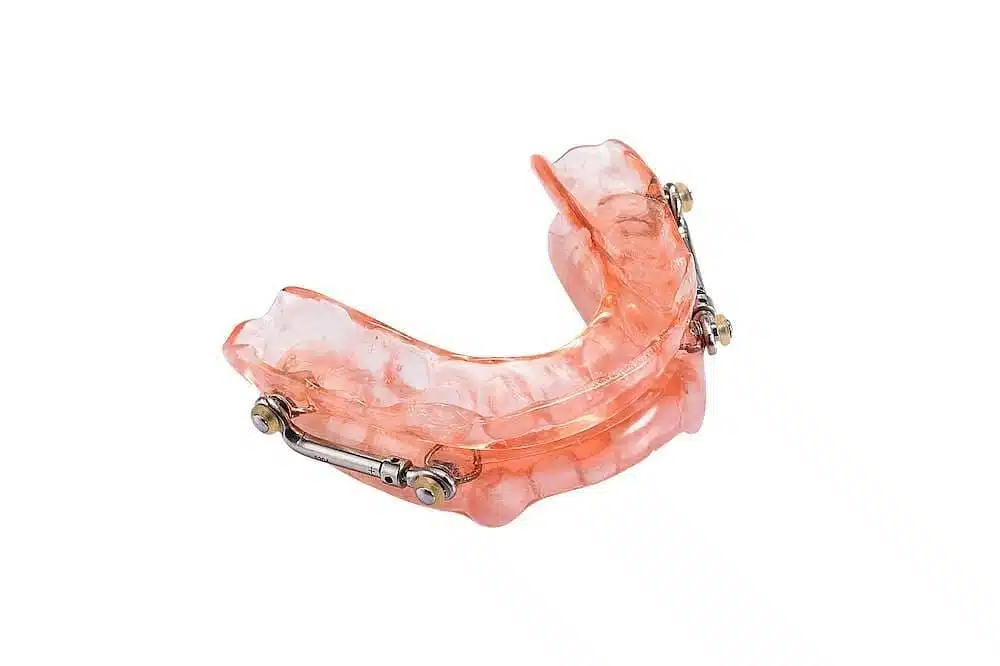
When the lower jaw sits too far back, a fixed jaw-advancing appliance can guide growth instead of only tipping teeth. Dr. Freelove offers the Herbst appliance when growth modification is indicated, timed to each child’s growth stage and planned from digital records, with a CBCT scan complimentary when clinically indicated at the consultation.
Reviewed and approved by Dr. Cameron Freelove, DDS, MS · Last updated
What Causes a Class II Overbite
Many Class II overbites are not caused by upper teeth that sit too far forward. In these cases the lower jaw is positioned behind its ideal relationship with the upper jaw, so the upper teeth look prominent by comparison.
That distinction changes the treatment. Tipping upper teeth back can camouflage a mild discrepancy, but a true jaw-position problem in a growing child responds best when the growth itself is guided. Dr. Freelove evaluates the full face and jaw relationship, not just the teeth, using digital records and clinically indicated imaging before deciding which approach fits the case.
Functional Appliances for Jaw Advancement
Functional appliances for jaw advancement hold the lower jaw in a forward position while a child is still growing. Worn full time, the appliance encourages the bite to correct through a combination of jaw positioning and tooth movement.
The Herbst is the fixed member of this family: it is bonded in place and works around the clock without depending on the patient remembering to wear anything. Dr. Freelove offers the Herbst appliance when growth modification is indicated, and times it to the child’s growth stage.
Herbst vs. MARA vs. Casper: How They Compare
Dr. Freelove uses the Herbst and the Casper; he does not use the MARA. All three appliances are fixed correctors for a Class II bite, where the lower jaw sits behind the upper. Each is bonded in place and works around the clock while a child is still growing, so there is nothing to remember to wear. They differ in the hardware that holds the lower jaw forward.
The Herbst uses a telescoping rod-and-tube mechanism connecting the upper and lower arches. The MARA uses shorter elbow-style attachments on the molars that guide the lower jaw forward each time the patient closes. The Casper is a newer fixed corrector with a low-profile bonded design and no telescoping arms, built to reduce breakages and adjustment visits.
| Feature | Herbst | MARA | Casper |
|---|---|---|---|
| How it advances the jaw | Telescoping rod-and-tube between the arches | Elbow attachments on the molars | Low-profile bonded appliance, no telescoping arms |
| Placement | Spans toward the cheeks | On the molars | Toward the back of the mouth |
| Parts that can break | Rods and screws; repairs more common | Fewer than the Herbst | Fewest; no moving arms |
| Cleaning | More crevices to work around | Moderate | Designed to be easy to clean |
| Removable? | No, fixed | No, fixed | No, fixed |
| Best for | Growing Class II patients | Growing Class II patients | Growing Class II patients, when comfort and durability matter |
Dr. Freelove has used the Herbst for years and now often reaches for the Casper, which sits toward the back of the mouth for comfort, is easy to keep clean, and has fewer parts to break. The right choice depends on the child’s bite, age, and how the appliance fits their mouth, and Dr. Freelove reviews the options at the consultation.
Fixed vs. Removable: Why Freelove Orthodontics & Smile Design Uses Fixed Correctors First
Removable functional appliances only work while they are in the mouth, and jaw correction demands near round-the-clock wear over many months. That is a heavy compliance ask for a school-age patient, and missed hours quietly stretch the treatment.
A fixed corrector like the Herbst removes compliance from the equation: it is bonded in place and works 24 hours a day. Dr. Freelove stresses at the consultation and throughout treatment that results depend on consistency, and a fixed appliance builds that consistency in rather than hoping for it.
Aligner-Based Jaw Advancement: Invisalign and Angel
Jaw advancement is no longer limited to fixed appliances. Both aligner systems Dr. Freelove works with offer a mandibular advancement option, where the trays themselves hold the lower jaw forward while they straighten the teeth. For a growing patient who needs both, that means one appliance instead of two phases.
It suits a patient who is a good aligner candidate to begin with: the trays only work while they are worn, so the compliance question that favours a fixed Herbst applies here too. When possible, Dr. Freelove can prescribe either a fixed option like a Herbst or Casper or a removeable option like Angel with mandibular advancement. Both options will be reviewed with the family at the free consultation.
Timing: The Growth Window That Makes These Appliances Work
Jaw-advancing appliances rely on active growth. There is a window, typically around the adolescent growth spurt, when the lower jaw responds best to forward positioning. Start too late and the same appliance moves teeth more than it guides the jaw.
Not every child who could benefit needs to start immediately. When waiting would achieve the same result, Dr. Freelove places the child in observation and monitors growth until the timing is right. The free consultation includes a digital intraoral scan and a growth-stage assessment so families know exactly where their child sits in that window.
Daily Experience: Eating, Speech, and Hygiene
Eating takes an adjustment period. Softer foods help for the first several days, and the same hard, crunchy, and sticky foods the practice asks braces patients to avoid, such as ice, hard candy, and taffy, are off the menu while the appliance is in place.
Speech may sound different at first, and most patients adapt quickly. Any early soreness responds to over-the-counter ibuprofen or Tylenol, and the office offers the Dental Pain Eraser comfort device for in-office relief. Hygiene means careful brushing around the framework, which the clinical team demonstrates at delivery.
Cost, Insurance, and Financing
Herbst appliance: $500, added to the comprehensive orthodontic case fee
Every fee is quoted in writing at the free consultation, which includes a digital intraoral scan, before any treatment begins.
Freelove Orthodontics & Smile Design accepts all PPO orthodontic insurance plans and files claims directly with the insurer as a courtesy. HSA and FSA funds are accepted, and the team provides complimentary insurance verification.
Flexible in-house payment plans start at $300 down and $199 per month. CareCredit offers 0% APR promotional financing as a third-party option, and a 5% pay-in-full discount applies.
Frequently Asked Questions
What age is best for a Herbst appliance?
The appliance works during active growth, typically around the adolescent growth spurt, and the ideal start varies by child. Dr. Freelove assesses growth stage at the free consultation, and because he agrees with the AAO recommendation for a first orthodontic evaluation no later than age 7, timing can be planned years in advance rather than rushed.
Can my child eat normally with a Herbst appliance?
Mostly, after an adjustment period of several days. Softer foods help at first, and hard, crunchy, and sticky foods such as ice, hard candy, and taffy should be avoided while the appliance is in place, the same list braces patients follow.
Will my child still need braces after the Herbst?
Usually the jaw-correction phase is one part of a larger plan, and braces or aligners then detail the bite. Because Dr. Freelove plans treatment digitally from digital records and clinically indicated imaging, the full sequence is mapped from the beginning rather than improvised phase by phase.
Can a Herbst appliance help my child avoid jaw surgery later?
In some growing patients, guiding jaw growth now can reduce the skeletal discrepancy that would otherwise require surgical correction as an adult. It is not a promise for every case; Dr. Freelove presents surgical and non-surgical paths honestly when the discrepancy is significant.
How long does the Herbst stay on?
Duration depends on the case and the child’s growth response. Dr. Freelove reviews the projected timeline at the consultation, and because the appliance is fixed in place, progress does not depend on remembering to wear it.
Conditions the Herbst and Casper Treat
Is Your Child Ready for Jaw Correction?
A free consultation at Freelove Orthodontics & Smile Design includes a growth-stage assessment and a clear explanation of whether a Herbst or an alternative path fits the case. Community discounts apply.