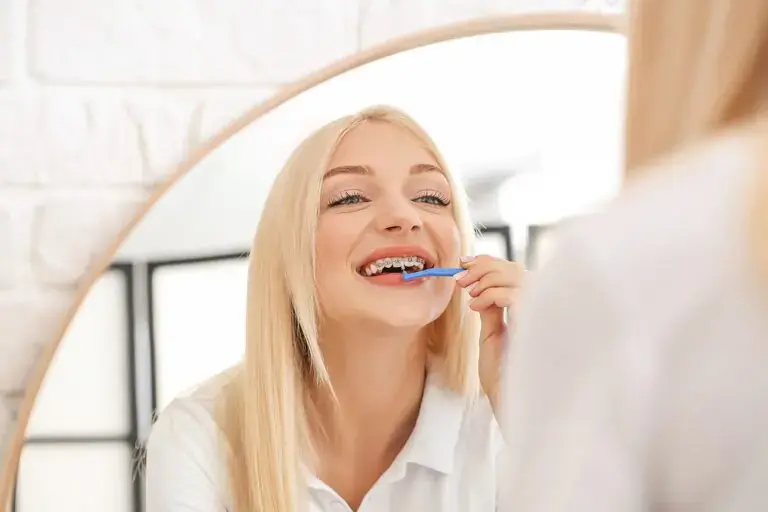
Struggling with how to floss with braces in Kent and Sammamish, WA? Use waxed floss with a floss threader to clean between your braces. Gently slide it under the wire, wrap it around each tooth in a C-shape, and move it up and down. Don’t snap the floss.
Read the full article for more ways to keep your braces and smile in top shape.

Why Flossing with Braces Matters
Braces are great for teeth alignment, but they make cleaning harder. Food and plaque often get stuck around brackets and wires. If not cleaned, this buildup causes tartar, tooth decay, and gum disease. Flossing removes debris and keeps your teeth and gums healthy. When your teeth are clean, braces work more efficiently, helping you achieve a beautiful, straight smile.
The Best Tools for Flossing with Braces
Flossing with braces is simpler if you use the right tools. Here are some of the best options to add to your care routine:
1. Floss Threaders
Floss threaders work like needles, helping you guide dental floss under braces wires. They make it easier to clean between your teeth. Many orthodontists recommend threaders as part of a daily flossing routine.
2. Water Flossers
A water flosser (or oral irrigator) sprays water between your teeth and around your braces. It’s helpful for people with sensitive gums or those who find using traditional floss complicated.
3. Super Floss
Super floss has stiff ends for threading and spongy sections for cleaning. It works well for hard-to-reach areas under wires and near brackets. Use super floss to clean tight spaces and remove plaque easily.
4. Interdental Brushes
Interdental brushes, also called proxabrushes, are small tools with bristles that fit between teeth. They’re perfect for cleaning under wires or removing food debris caught in hard-to-reach areas.
5. Floss Picks
Floss picks are small handles with a piece of floss attached. They’re convenient for quick cleaning, especially if traditional floss is difficult for you to use.
How to Get Flossing Tools
Flossing tools like floss threaders, water flossers, and interdental brushes are available at drugstores or online retailers. Keeping these tools handy makes it easier to maintain your braces care routine.
A Simple Step-by-Step Guide to Flossing
Flossing with braces takes some practice but becomes easier over time. Follow these steps:
Step 1: Prepare the Floss
Cut about 18 inches of floss. Insert it into a floss threader and guide the threader under the wire of your braces. Pull the floss through gently to avoid bending the wire. Make sure you have enough floss to move between each tooth as you clean.
Step 2: Clean Between Teeth
Wrap the floss in a C-shape around one tooth. Gently move it up and down to remove food and plaque. Avoid snapping the floss, as it could hurt your gums or damage your braces. According to Dr. Danielle Godley, a professional orthodontist in Zionsville, IN, being gentle and methodical during flossing prevents irritation and keeps your gums healthy.
Step 3: Use a Water Flosser for Extra Cleanliness
For areas that are tricky to clean, use a water flosser. It sprays water into tight spaces, removing debris from around brackets and wires. Adjust the water pressure to your comfort level.
Step 4: Brush Your Teeth
After flossing, brush your teeth using a soft-bristle toothbrush and fluoride toothpaste. Brush gently around the brackets and wires in small, circular motions. Rinse with fluoride mouthwash to further protect your teeth.
Flossing Tips for Different Types of Braces
Different braces need slightly different flossing approaches:
- Metal Braces: Use floss threaders for a thorough clean around metal brackets.
- Clear Braces: Be gentle to avoid damaging the clear materials.
- Lingual Braces: These braces are behind your teeth, making them harder to clean. Water flossers and interdental brushes work best.
- Self-Ligating Braces: Although there are fewer parts, regular cleaning is still necessary to prevent plaque buildup.
Common Flossing Challenges and Solutions
Flossing with braces can be difficult at first, but these tips can help:
Sensitive Gums
Sensitive gums may feel tender during early flossing attempts. Rinse with warm saltwater to soothe irritation. With time, gums will get used to flossing and become healthier.
Hard-to-Reach Spots
Braces and wires can block certain areas. Use a water flosser or super floss to clean these spaces thoroughly. Interdental brushes are also great for reaching tight spots.
Trouble Using String Floss
If managing traditional floss is frustrating, try floss picks or pre-threaded flossers. They’re faster and easier to handle, making flossing simpler and less stressful.
Post-Braces Oral Hygiene
Your braces care doesn’t end when you get them removed. Keep these habits to protect your smile:
- Clean Your Retainer: Brush and rinse your retainer every day to prevent plaque buildup and odors.
- Floss Daily: Stick to a regular flossing routine to clean between teeth and remove lingering debris.
- Brush Thoroughly: Use fluoride toothpaste and brush twice a day to strengthen teeth and maintain good gum health.

Professional Cleaning Advice from Freelove Orthodontics
Freelove Orthodontics in Kent and Sammamish, WA, is here to guide you through proper braces care. Our team provides:
- Starter Flossing Kits: Get all the tools you need, including flossers and interdental brushes, to start your flossing routine.
- Flossing Techniques: Hands-on demonstrations to show you how to floss effectively.
- Expert Support: Guidance to tackle challenges like sore gums, plaque buildup, and tight areas.
Floss with Confidence at Freelove Orthodontics
At Freelove Orthodontics in Kent and Sammamish, WA, we make flossing with braces simple and stress-free. Our team offers personalized tips, starter kits, and expert guidance to keep your smile healthy throughout treatment. Schedule your visit today and learn how easy it can be to care for your braces with confidence.
About The Authors
Dr. Cameron Freelove – Orthodontist in Kent and Sammamish, WA
Dr. Danielle Godley – Orthodontist in Zionsville, IN
Frequently Asked Questions
How many times a day should I floss with braces?
Hey there! When you have braces, it’s best to floss at least once a day, usually before bed. That way, you can clear out any food stuck in your brackets or between your teeth before sleeping. If you can, flossing after meals is even better! It might take a bit more effort, but keeping your teeth clean will help you avoid plaque and gum problems. Try using a floss threader, orthodontic floss, or a water flosser to make it easier.
Do you floss or brush first?
Some people like to floss first to loosen food and plaque, then brush it all away. Others brush first, then floss to clean what’s left between teeth. Many dentists suggest flossing first so your toothpaste can reach every spot better. The main thing is that you do both every day.
Can dentists tell if you floss?
Oh, yes, dentists can tell right away! If you floss often, your gums will look firm, pink, and won’t bleed easily. Your teeth will also have less plaque between them. But if you skip flossing, your dentist might see red, swollen gums or more tartar buildup. Sometimes, gums even bleed during cleaning.