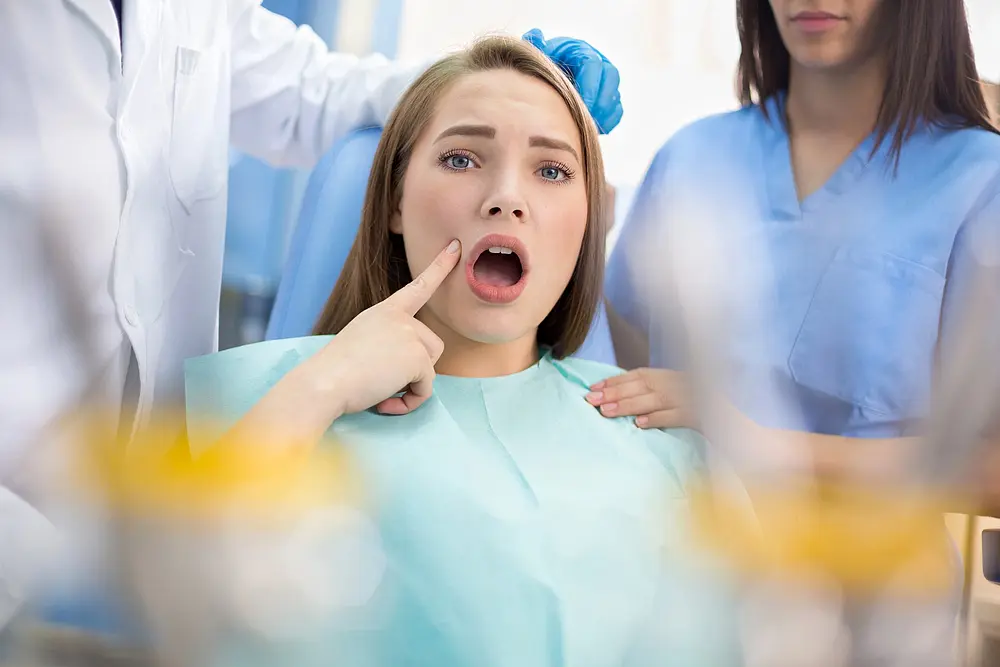

What Is a TMJ Disorder?
Your temporomandibular joint connects your jawbone to your skull. This joint helps you chew, speak, yawn, and even laugh. When this joint doesn’t move as it should, you may develop a TMJ disorder. According to Dr. David Carpinello, a patient-focused orthodontist in Edgmont, PA, even small joint problems can make eating and talking hard.
Common symptoms include:
- Jaw pain
- Clicking or popping when moving your jaw.
- Jaw stiffness or feeling “locked” or stuck.
- Muscle spasms or soreness in the jaw muscles.
- Difficulty with mouth opening or chewing.
These symptoms can make it hard to enjoy your day. Untreated TMJ disorders sometimes cause ongoing muscle tension, chronic pain, or even headaches and ear pain.
Frequent Causes of TMJ Pain
TMJ pain has many possible causes. Some are related to habits, while others involve injury or health conditions.
Common causes of TMJ disorders include:
- Jaw clenching or teeth grinding (bruxism): Many people clench their teeth during stress, often at night, straining jaw muscles.
- Poor bite alignment: If your teeth or bite do not line up, the jaw joint and muscles can become stressed.
- Joint injury or arthritis: An accident or joint swelling can cause soreness or pain.
- Posture, diet, or lifestyle: Slouching, chewing gum often, or eating tough food can add more strain.
- Stress and muscle tension: Daily stress also makes many people clench their jaws.
Common Signs and Symptoms of TMJ Disorder
Recognizing TMJ symptoms early helps you get fast relief. Pay attention to these signs:
Jaw Pain and Soreness
Pain or soreness in the jaw, cheek, or ear area is common. Chewing, wide talking, or yawning often makes pain worse. Pain can even travel to the neck and shoulders. Gentle exercises, a mouth guard, or muscle relaxants may be part of your TMJ care plan.
Clicking, Popping, or Joint Noises
Noises from your jaw during chewing or talking may mean the joint is not moving right. Clicking does not always hurt, but if it is frequent or painful, it can signal a bigger problem like temporomandibular joint disorder.
Headaches and Ear Pain
TMJ disorders often cause headaches and even ear pain. Muscle tension can cause headaches or make ears feel full or ring. Stress management techniques and relaxation are part of TMJ treatment.
Jaw Locking or Limited Movement
You may feel your jaw “lock” open or closed, or that moving it is hard. Muscle spasms, tightness, or joint problems can cause this.
TMJ Evaluation and Diagnosis
Getting the right diagnosis for your TMJ disorder is the first step toward pain relief. At Freelove Orthodontics, your TMJ evaluation will be careful and thorough. Here’s what to expect:
1. Physical Exam
Your doctor will gently press around your jaw, neck, and shoulder muscles. They check for tenderness, clicking, or inflammation. You may be asked to open and close your mouth or move your jaw from side to side. This helps find where you feel pain, joint soreness, or stiffness.
2. Bite and Jaw Alignment Analysis
A key part of your diagnosis is checking bite alignment. Your orthodontist checks for crowding, overbite, or signs of bruxism (teeth grinding). Fixing poor alignment can often help with jaw pain and reduce muscle spasms.
3. Imaging and Scans
X-rays, CT scans, or dental imaging show jaw joint health, inflammation, or misalignment. These images help your provider see inside the temporomandibular joint to plan proper care. Sometimes, MRI or arthroscopy is used for a closer look at soft tissues or the joint disc.
Treatment Options for TMJ Disorders
Freelove Orthodontics provides many TMJ treatment options, starting with simple steps and moving to advanced care if needed. Every treatment plan is based on your symptoms, pain level, and what works best for your health.
1. Non-Surgical TMJ Treatments
- Night Guards or Bite Splints: These mouth guards keep your jaw in a relaxed position, preventing teeth grinding and reducing joint soreness.
- Physical Therapy and Exercises: Special stretches and jaw movement exercises relieve tightness, improve movement, and relax the jaw muscles.
- Heat or Cold Therapy: Heating pads can relax muscles, while cold packs reduce swelling and inflammation.
- Stress Management Techniques: Relaxation, meditation, and lifestyle modifications lower muscle tension.
- Medication: Over-the-counter pain relief and anti-inflammatories ease discomfort. Sometimes, muscle relaxants are also prescribed for severe tension.
2. Advanced or Specialty Treatments
- Botox Injections: Botox relaxes the muscles around your temporomandibular joint, reducing spasms and jaw pain.
- Trigger-Point Injections: Shots are placed directly in tight muscles for instant relief.
- Laser Therapy: Laser treatments boost blood flow and reduce pain and inflammation.
- Orthodontic Adjustments: Braces or Invisalign can adjust bite alignment and prevent further TMJ pain and clicking.
3. Surgical Options (for Severe TMJ)
Most cases do not need surgery, but if you have severe or chronic pain, these approaches are available:
- Arthroscopy: A small camera and tools help repair the joint quickly and with little downtime.
- Arthrocentesis: Fluid is used to flush inflammation and debris from the joint.
- Open-Joint Surgery: Rarely, surgery may be needed if there is bone damage or serious misalignment.
How Much Does TMJ Treatment Cost? Will Insurance Help?
TMJ treatment costs vary depending on the type and length of care. Custom night guards or splints can range from $500 to $1,000. Botox or muscle injections may cost $300 to $600 per session. Braces or aligners usually cost between $3,500 and $8,000, based on case complexity.
Many insurance plans will help cover TMJ evaluation, diagnosis, and some therapies. At Freelove Orthodontics in Kent and Sammamish, the team offers flexible payment plans to help patients get the care and relief they need.
How to Find the Right TMJ Specialist in Kent or Sammamish, WA
Choose a TMJ care provider who offers:
- Thorough diagnosis and evaluation, using X-rays and bite alignment checks.
- Custom treatment plans and a variety of therapy options.
- Modern technology and a proven track record of helping patients find relief.
- Ongoing support and advice for lifestyle modifications, exercises, and wellness.
At Freelove Orthodontics, you will find experts who focus on lasting relief, not just a quick fix.
Take Your First Step Toward TMJ Pain Relief
You don’t have to live with jaw pain, clicking, headaches, or discomfort. At Freelove Orthodontics in Kent and Sammamish, WA, our team understands TMJ disorders and knows how to bring real pain relief. Schedule a consultation today and begin your journey toward a healthier jaw and a happier life.
About the Authors
Dr. Cameron Freelove – Orthodontist in Kent and Sammamish, WA
Dr. David Carpinello – Orthodontist in Drexel Hill, Newtown Square, and Edgmont, PA
Frequently Asked Questions
Can TMJ disorder go away on its own?
In some mild cases, TMJ symptoms can get better on their own with rest and less stress. But if you have jaw pain, clicking, or stiffness that does not go away, you may need professional care. Seeing a TMJ specialist early can keep the problem from getting worse and help your jaw move normally again.
Can TMJ disorders cause headaches or ear pain?
Yes, TMJ disorders can cause headaches, ear pain, or even a full feeling in the ears. This happens because the jaw joint sits close to the ear and shares muscles that can spread pain to nearby areas. Getting TMJ care from a specialist can ease the muscle tension and help reduce these symptoms.
What foods should I avoid if I have TMJ pain?
If you have TMJ pain, try to stay away from hard, chewy, or sticky foods like nuts, gum, tough meats, and chewy candy. These foods can put extra strain on your jaw and make the pain worse. Choose soft foods instead, such as yogurt, mashed potatoes, soups, or smoothies, to give your jaw a chance to rest and heal.